A healthy dietis one that is varied and balanced, with plenty of vegetables, fruits, wholegrain carbohydrates and lean protein. When you eat a balanced diet, you should be able to consume all the essential nutrients your body needs.
If you aren't able to get all the nutrients you need in your diet, you can take supplements such as vitamin C tablets.
What is vitamin C?
Vitamin C, or ascorbic acid, is an essential nutrient that has many functions within the human body. Because vitamin C cannot be stored in the body, it must be consumed in our food.
The NHS recommends that adults need 40mg of vitamin C a day – this should be possible simply by eating a healthy, balanced diet that contains plenty of fruits and vegetables.
If you can't get enough vitamin C through your diet alone, you may want to take vitamin C supplements. The recommended daily dosage of vitamin C is 40mg – taking more than 1000mg can cause stomach pain, diarrhoea and flatulence.
Benefits of vitamin C
Vitamin C is involved in the production of collagen, a protein which helps to maintains and repair the skin, bones, cartilage, ligaments, tendons, blood vessels and teeth. Without good levels of vitamin C, your body will have difficulty healing from wounds and fighting infection.
What is scurvy?
Scurvy is another word for a severe vitamin C deficiency. It can cause fatigue, low mood, sore joints and bleeding gums, and normally occurs in people who haven't consumed enough vitamin C for at least three months.
The good news is that scurvy can be very easily treated once it has been diagnosed. Your doctor might advise that you add vitamin C-rich foods to your diet or that you take supplements until you feel better. If an underlying condition is thought to be the cause, you may need specialist treatment.
Who is at risk of scurvy?
You are more at risk of scurvy if you don't eat enough, or if you eat a very restricted diet that includes few sources of vitamin C. If you have a poor diet your risk of scurvy is increased if you also smoke or if you are pregnant or breastfeeding (pregnant women and new mothers need more vitamin C than normal).
Additionally, the following groups are more at risk of a vitamin C deficiency:
People with a severe digestive condition e.g. Crohn's disease or ulcerative colitis
Very elderly people, who struggle to cook and eat a healthy diet
People addicted to drugs or alcohol
Vitamin C deficiency symptoms
Low vitamin C/scurvy can cause the following:
Fatigue and weakness
Irritability
Low mood
Pain in the muscles and joints
Swollen or bleeding gums
Nosebleeds
Blue or red spots on the skins
Easy bruising
Slow healing wounds
Scurvy is rare, even in people who don't consume enough sources of vitamin C, so if you're experiencing these symptoms they may not necessarily indicate a deficiency. In any case, it's important to speak to a doctor if you're experiencing these kinds of symptoms.
Sources of vitamin C
Vitamin C should be consumed as part of a balanced, healthy diet. If you can't get enough in your diet, you can take vitamin C supplements.
Food rich in vitamin C
Vitamin C is mostly found in fruits and vegetables. If you'd like to get more into your diet, try incorporating the following into your meals:
Citrus fruits e.g. oranges, grapefruit, lemons
Strawberries, raspberries & blueberries
Blackcurrants
Kiwi fruit
Peppers
Spinach
Cabbage
Broccoli
Cauliflower
Brussels sprouts
Potatoes
Read our guide to find even more foods rich in vitamin C.
Vitamin C supplements
If you can't get enough vitamin C through food alone, you can take supplements such as Nutri Within vitamin C. Remember, the NHS advises that taking more than 1,000mg can lead to stomach pain and diarrhoea. Make sure to always read the label to check dosages and speak to a pharmacist.
You should not take supplements as a substitute for a varied, balanced diet or a healthy lifestyle.
Get Your Glow On With These 5 Skin-Protecting Vitamin C Creams
Bustle/Amazon
Vitamin C: Not just for treating scurvy anymore. "Vitamin C is essential for good skin health," NYC-based dermatologist Dr. Kenneth Howe tells Bustle. "It's the most abundant and important antioxidant in our skin." As an antioxidant, vitamin C protects your skin from environmental aggressors like the sun, pollution, and smoke; and, according to Dr. Howe, an overabundance of those free radicals can result in collagen depletion, hyperpigmentation, and even skin cancer. It follows, then, that infusing your skin with vitamin C can result in a glowier, clearer complexion, so you'll want to get your topical vitamin C wherever you can. The best vitamin C creams are a good place to start.
Vitamin C is especially valuable for providing a deeper layer of sun protection that SPF can't quite reach. "Even the most diligent sunscreen applier will still have some UV rays penetrate the skin — sunscreens are screens, after all; they block the transmission of only a given percentage of incident UV radiation," Dr. Howe says. "Some of it still gets through. And that's where antioxidants like vitamin C come in. Antioxidants snuff out the damage that UV rays cause by quenching free radicals present in the skin." That said, this is not a reason to skimp on the face sunscreen you're already wearing every day (right?).
Dr. Howe recommends applying vitamin C products in the morning; that way, you're providing your skin with a fresh supply of the antioxidant's protective powers. And because they're typically used during the day, lots of vitamin C creams include other ingredients that brighten, smooth, hydrate, and otherwise benefit your skin.
Ahead, you'll find five of the best vitamin C creams for all manner of budgets and skin types. Put them on in the morning for luminous skin all day long, then drink a glass of orange juice so your teeth don't fall out.
We only recommend products we love and that we think you will, too. We may receive a portion of sales from products purchased from this article, which was written by our Commerce team.
1
The Overall Best Vitamin C Cream
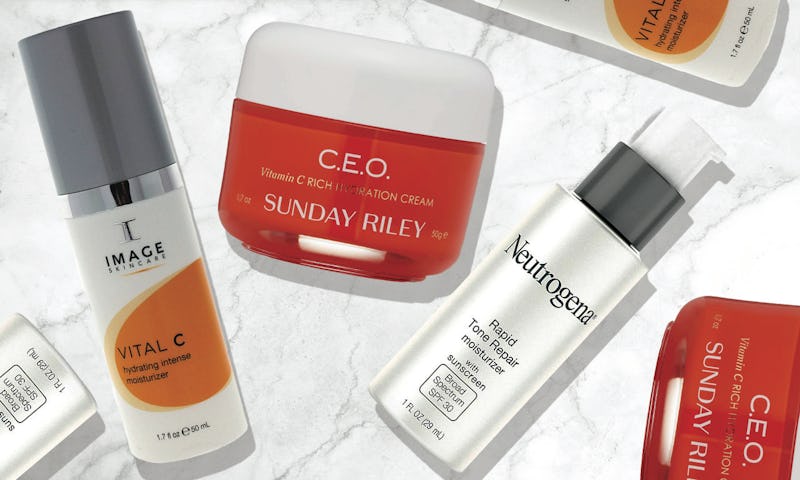
There's no way to sugarcoat it: At $65, this Image Skincare Vital C Hydrating Intense Moisturizer is expensive. But if it's any consolation, this is my favorite daytime moisturizer of all time. Some of the main ingredients in here are water, glycerin, hyaluronic acid, and shea butter, which all work together to pull and seal moisture into your skin. It leaves my combination skin feeling soft, bouncy, and not at all greasy. I also like its bright citrusy scent, courtesy of antioxidant-rich orange peel extract. If you like this moisturizer, check out the rest of Image's vitamin c-centric Vital C line. I'm partial to their Vital C Hydrating Enzyme Masque, which I use weekly for some gentle resurfacing.
2
The Best (Affordable) Vitamin C Cream With SPF
As Dr. Howe mentioned, vitamin C creams are best used during the day so the antioxidants can help stave off environmental aggressors you may encounter out in the world — and, in the skin-care lexicon, "daytime" means "you also need to be wearing SPF." This Neutrogena Rapid Tone Repair Moisturizer With Sunscreen has that, and so many other things, covered. The ingredients are basically a greatest-hits list of everything you need for luminous, even, and sun-protected skin. Retinol SA, a gentle form of retinol infused with hyaluronic acid, gives your skin the smoothing and resurfacing effects retinol is beloved for, without the dryness and irritation it's demonized for. Then there's straight-up hyaluronic acid for hydrating and plumping, vitamin C for brightening and protecting, and broad spectrum SPF 30 for staving off UVA/UVB rays. Even better: This one-size-fits-all AM moisturizer costs just about $18 on Amazon.
3
The Best Eye Cream With Vitamin C
Boosting collagen production, reducing hyperpigmentation, generally enlivening tired, sallow skin: These are a few of my favorite things about vitamin C creams, and they are, almost always, the things your under-eyes could use more of. Along with that hero ingredient, this moisturizing (but non-greasy) Redermic C Pure Vitamin C Eye Cream from La Roche-Posay contains lots of botanical oils and a healthy dose of hyaluronic acid, the other, unofficial hero ingredient on this list. Neurosensine, a naturally occurring dipeptide, and the brand's signature thermal water are also included in the formula to reduce redness and provide a much-needed cooling effect. Use this one during the day, and La Roche-Posay's Redermic R Retinol Eye Cream at night if you take your depuffing regimen seriously.
4
A Great Mid-Range Vitamin C Gel-Cream
The Body Shop's Vitamin C Glow Boosting Moisturiser has a refreshing, cooling gel texture, which makes this an especially good choice if you have oily skin and find traditional creams too heavy or greasy. Along with vitamin C derived from Amazonian camu camu berries, this one contains soothing aloe vera and conditioning vitamin E and sesame seed oil. It's a zingy little pick-me-up for your skin in the morning, and it'll provide a soft, dewy canvas for your makeup. Just let the gel sink in and dry for a few minutes before you do that.
5
Another Luxurious Vitamin C Cream To Consider
The C.E.O. Vitamin C Rich Hydration Cream from Sunday Riley sets itself apart from others like it for its extra-special ingredients, which are both botanically and scientifically derived. Lime pearl extract, a natural source of AHAs, gently sloughs away the layer of dead cells on top of your skin so the cream's 5% vitamin C can absorb more thoroughly. Meanwhile, turmeric and exopolysaccharides provide more targeted protection from environmental pollution. (The latter is particularly effective for staving off the pollution particles found in smog.) Otherwise, the texture, slip, and orangey scent are similar to the Image moisturizer, so go for this one if you're very exposed to pollution (hi, fellow New Yorkers!), or if you're in the cult of Sunday Riley.
Experts:
Dr. Kenneth Howe, board-certified dermatologist practicing at Wexler Dermatology.
Whether in the form of a fizzy drink or flavored lozenges, cold and flu preventative supplements almost always highlight vitamin C as one of their key ingredients. So, what's so magical about vitamin C? Also known as ascorbic acid, vitamin C is critical to living healthily. Since the human body cannot spontaneously generate this nutrient, vitamin C must instead be absorbed from outside sources, such as vitamin supplements or foods that are naturally rich in it.
Commonly found in cold and flu preventative supplements, vitamin C strengthens and speeds up immune system functionality. Though research does not indicate that vitamin C intake alone can prevent the onset of cold or flu, adequate daily intake may shorten the duration of an infection or lessen the severity of symptoms.
Vitamin C is crucial for the maintenance of well being. For example, it plays a role in wound healing and helps maintain many essential body tissues. It also acts as a potent antioxidant and can repair damage from free radicals, which are linked to aging effects, and disease vulnerability. Additionally, vitamin C can also prevent anemia, since it helps the body increase absorption of dietary iron, another vital mineral that the body cannot spontaneously create.
Foods that contain high concentrations of vitamin C have been linked with a lower risk of cardiovascular disease, like heart attack and stroke. Vitamin C can also increase levels of nitric oxide, a compound that widens blood vessels and, in turn, lowers blood pressure. In addition, regular intake of vitamin C, along with other vitamins, has been linked to a decreased risk for developing age-related cataracts, a leading cause of visual impairment in the United States.
Common Sources of Vitamin C
Vitamin C can be easily obtained through the many different foods, including:
Citrus fruits and juices (orange, grapefruit, lemon, lime and tangerine)
Berries
Melons
Mangoes
Kiwi
Tomato
Broccoli
Red peppers
Spinach
Squash
Potatoes
Cooking these foods may result in the loss of some of the vitamin content, so it is ideal to ingest them raw, either whole or juiced. Nowadays, there are also numerous packaged food products, like cereals, that have been enriched and fortified with vitamin C, so that the nutrient can be easily obtained.
Vitamin C may also be labeled as "L-ascorbic acid" in supplement form, and most over-the-counter multivitamins contain the recommended daily amount of the vitamin. While it is a good source when an individual is in need of a vitamin C boost, supplements are not meant to replace a diet rich in naturally derived vitamin C.
What Happens When You Have Too Much — or Too Little — Vitamin C?
Vitamin C is a water-soluble vitamin that can be easily flushed out of the body via urination when it is not needed. Therefore, if the main source of vitamin C is from naturally occurring foods, it is near-impossible for excess vitamin C to produce side effects. However, taking excessive concentrated vitamin C supplements may lead to diarrhea or stomach upset.
Since vitamin C-rich foods are so readily available nowadays, symptoms of inadequate vitamin C intake are also rare in the United States. However, malnourished individuals can experience symptoms of vitamin C deficiency over time, including:
Weakness
Fatigue
Anemia
Easy bruising
Joint pain
Skin breakdown
Weakened tooth enamel
Gum inflammation
Severe vitamin C deficiency is referred to as scurvy. Scurvy can be easily treated with increased dietary or supplemental vitamin C. Since vitamin C is crucial in the detoxification of the body, a lack of vitamin C can compromise the immune system and make an individual more susceptible to diseases and infections. Individuals with insufficient vitamin C may find that it takes longer than usual to recover from a cold or a physical wound.
Daily Dosage Recommendations:
The daily dosage recommendation for vitamin C is different for everyone, depending on factors such as gender, age, lifestyle and current health condition. The recommended daily dosage for vitamin C is at least 75 mg daily for women and 90 mg for men. Since people who are pregnant, breast feeding, smoking or using oral contraceptives have a lower blood level of vitamin C than others, larger doses of vitamin C may be needed to achieve optimal results in these individuals. Those who have prior or current medical conditions may also require bigger or smaller dosage levels, as recommended by their healthcare providers.
Resource Links:
"Vitamin C" via MedlinePlus
"Vitamin C and Infections" via MDPI
"Extra Dose of Vitamin C Based on a Daily Supplementation Shortens the Common Cold: A Meta-Analysis of 9 Randomized Controlled Trials" via Hindawi, BioMed Research International
"Vitamin C" via National Institutes of Health
"Scurvy" via U.S. Department of Health & Human Services, National Institutes of Health
"Dietary intake and blood concentrations of antioxidants and the risk of cardiovascular disease, total cancer, and all-cause mortality: a systematic review and dose-response meta-analysis of prospective studies" via The American Journal of Clinical Nutrition
"Dietary vitamin and carotenoid intake and risk of age-related cataract" via The American Journal of Clinical Nutrition
"Cardiovascular System" via Department of Anatomy, Seoul National University College of Medicine (via Springer)
These Are The 6 Best Vitamin C Serums For Brighter, Clearer Skin
Amazon/Bustle
There's never a bad time to amp up your skin care regimen's sun protection defenses. Whether you're looking to keep your skin safe from future signs of sun damage or help reduce the appearance of damage that's already been done (aka sun spots), incorporating one of the best vitamin C serums into your beauty routine can help.
In an ingredients list, you'll most likely find vitamin C listed as l-ascorbic acid, which experts agree is the most effective form of vitamin C, along with tetrahexyldecyl ascorbate. You'll also want to pay attention to the concentration level of the vitamin C, as something between 10 and 20 percent is said to be the most stable, and therefore, the most effective when it comes to protecting the skin and improving its overall tone and texture.
While you can certainly apply your vitamin C serum at night, to reap its full sun-protecting benefits, apply it in the morning after cleansing, and before you moisturize and layer on your SPF (which, yes, you still need to wear). You'll also want to be careful about using your vitamin C serum after any cleansers, treatments, or moisturizers that contain salicylic acid, glycolic acid, or retinol, as this can heighten common side effects that come with these ingredients, like burning and redness (especially if you have sensitive skin).
It's also worth noting that vitamin C is a delicate ingredient because it degrades from sun exposure. Because of this, you'll want to store your serum away from the sunlight and be on the lookout for any changes in its color, texture, or smell. A serum packaged in a darker bottle is also ideal, as it helps minimize the product's exposure to sunlight.
Ahead, you'll find six of the best vitamin C serums that are all Amazon user-approved to brighten, protect, and firm your skin.
1
The Best Serum For Vitamin C Newbies
This K-beauty favorite serum contains a mild dose of 5 percent vitamin C to allow your skin to accustom itself with the active ingredient. While that's still enough to notice the brightening and skin tone-evening benefits, the smaller percentage means its also gentler and less likely to irritate skin. Reviewers love its lightweight texture and say a little goes a long way, so you only need a couple of drops. Some have even had luck with using it on their bodies to help fade unwanted scars.
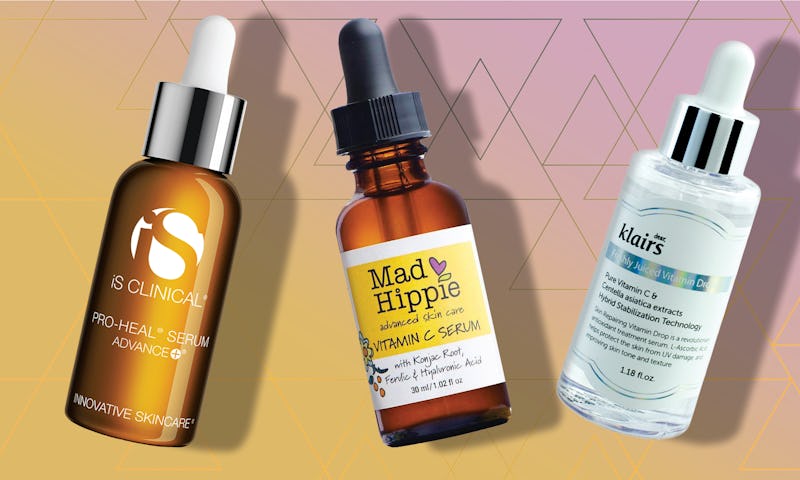
Klairs Freshly Juiced Vitamin C Serum is also an Amazon-user favorite with hundreds of five-star reviews. "I used this product for a few months and then switched to one with a higher percentage of Vitamin C only to find that it didn't work nearly as well," writes one reviewer. "I'm back to using Klairs and am so impressed by the positive change I see in my skin when I use it — it's brighter, smoother, and more even — even though it's a mild product."
The only downside with this serum is that, since it comes in a clear bottle, you'll want to be extra careful with storing it somewhere away from the sun.
2
The Best Vitamin C Serum For Sensitive Skin
If you have sensitive skin, you might have luck with the low-concentration Klairs option, above. But it does contain a few ingredients that some particularly sensitive skin types negatively react to, like propylene glycol. For a super safe, all natural pick, try this all-natural pick from Mad Hippie. It uses vitamin C in the form of sodium ascorbyl phosphate, which is said to cause less irritation and reduce the risk of oxidation. Mad Hippie formulated this serum with other complementary ingredients, like vitamin E and ferulic acid, which both improve and protect the skin from damaging free radicals. And ferulic acid also helps stabilize both vitamins C and E, so that they're even more effective. To keep skin moisturized, hyaluronic acid is included in the formula, while konjac root and chamomile extract work to protect and soothe the skin. There's also a dose of clary sage, which acts as a natural toner and astringent.
"I have very sensitive skin and normally I cannot use vitamin C serums at all," writes a reviewer. "This one does not sting or burn at all." Another user notes, "Within a week or so, I saw a smoother texture to my skin. By the end of the bottle, my skin looked smoother, brighter, and three darker spots on my face [from sun damage] were at least 80 percent lighter."
3
A Vitamin C Serum That Produces An Instant Glow
Yes, all vitamin C serums brighten the skin with continued use, but The Body Shop Vitamin C Skin Boost Instant Smoother also leaves skin glowing directly after you apply it, thanks to the tiny mineral glowing particles it contains. Long-term brightening, protecting, and collagen-boosting effects come from ascorbic acid and the vitamin C-packed camu camu berries that The Body Shop has hand harvested by local collectors on the riverbanks of the Amazon River. Vitamin E provides the skin with more protection against environmental aggressors as it softens, and Community Fair Trade Brazil nut oil further moisturizes the skin. Additionally, dimethicone and glycerin give the serum a smooth texture that helps to blur pores and even out skin tone, making this a great primer, too.
4
The Best Vitamin C Serum For Acne-Prone Skin
This serum might be a bit of a splurge, but its powerful formula means serious results. The brand works with a team of assorted experts to develop each product, including geneticists, biologists, and physicians. For their iS Clinical Pro-Heal Serum Advance+, they developed a vitamin C combo that works for all skin types, including acne-prone. Time-released vitamin C means prolonged antioxidant protection, while vitamins E and A contribute even more antioxidant benefits. iS Clinical included inflammation-reducing zinc sulfate, blemish-preventing kojic acid, and nourishing olive leaf extract to combat signs of acne while helping to prevent future breakouts.
5
The Best Drugstore Vitamin C Serum
For a more affordable option, e.l.f's Beauty Shield Vitamin C Pollution Prevention Serum costs less than $20. Despite its low price, the serum still contains your vitamin C, as well as vitamin E and pomegranate extract, which provides even more vitamin C benefits. You'll also notice glycerin and hyaluronic acid on the ingredients list to leave the skin smooth and moisturized. It's even cruelty-free and vegan, and formulated without parabens, sulfates, or phthalates.
6
The Best Vitamin C Booster Powder
If you're into DIY beauty (or you just want to customize your vitamin C application), a vitamin C booster powder, like the Resurrection Beauty L-Ascorbic Acid Powder, is the perfect choice. This jar solely contains vitamin C in the form of l-ascorbic acid, which is meant to be dissolved in water or witch hazel before being added into your favorite hydrating serum. It can even be added to your nightly moisturizer, sunscreen, or body lotion. Because you're mixing this yourself, you can start with a lower concentration of vitamin C, like 5 percent, and work your way up to 20 percent (the maximum amount recommended) as your skin learns to tolerate it.
Many Amazon reviewers share the different ways they use this powder to make custom treatments. "How terrific to find cosmetic grade vitamin C to make my own solution," one raves. "All skin care experts claim this is the best for anti-aging, however very unstable. This fixes the problem and at an reasonable price. I just mix small batches to last for a week. And in just a few weeks I can see the difference in my skin." Another recommends mixing it with aloe-vera for a skin-soothing and brightening mask.
Bustle may receive a portion of sales from products purchased from this article, which was created independently from Bustle's editorial and sales departments.
A married couple, who is not looking to start a family soon enough, is likely to look for options to prevent the chances of pregnancy. There are ample options available to a couple for birth control, ranging from barrier methods to IUDs. But if a couple doesn't want to use these methods of contraception and is looking for natural ways, they may have come across the Vitamin C technique in order to prevent pregnancy. Vitamin C is known to act as a natural contraceptive, but does it really work and is it a safe method of contraception? Let's find out!
Does Vitamin C Help Prevent Pregnancy?
Vitamin C is believed to prevent pregnancy but there's no evidence to confirm the same. Vitamin C contains ascorbic acid. Consuming it in more than the required amounts is believed to hamper with progesterone levels, an essential hormone required to carry the pregnancy to the term. This hampering leads to the uterus being unable to support conception – progesterone helps prepare the uterus for the implantation of the egg, and the lack of progesterone can prevent implantation and hence, conception.
However, there is no reliable scientific information to confirm that Vitamin C intake can prevent pregnancy or terminate the chances of pregnancy. Furthermore, too much Vitamin C consumption can cause diarrhoea and stomachache.
Overdose of Vitamin C
Vitamin C is good for health and is often recommended to pregnant women (in limited doses) to support a healthy pregnancy. But what happens when it is consumed in high amounts? It may prevent pregnancy, but it should not be a couple's go-to option, as there is no scientific study to back that Vitamin C acts as a natural contraceptive. But can it lead to a miscarriage if consumed in excess? Read on to find out!
Can an Overdose of Vitamin C Cause a Miscarriage?
Pregnant women must be extremely careful with their vitamin C intake because a high dosage can lead to a hostile environment for the fertilised egg in the uterus. It may loosen the grip of the egg, and the egg may not be able to attach itself to the uterine lining, causing a miscarriage. The acidity present in vitamin C fiddles with estrogen levels in the body, which affect the sex hormones in the body. So the answer is yes, it can lead to a miscarriage. But there are other possible complications that may arise because of the consumption of excess Vitamin C.
Other Impacts
Vitamin C can have other impacts on a woman's body. For instance, if you take vitamin C, your menstrual cycle may arrive earlier than expected. The cycle in most women goes from 28 to 30 days – increased amounts of vitamin C in your body can reduce the levels of progesterone and increase the levels of estrogen, causing the uterus to relax and begin menstruation.
How Is Vitamin C Used to Prevent Pregnancy
Here are some most common ways in which Vitamin C is used to prevent pregnancy.
1. Vitamin C is present in lemons in high amount. Including lemons in the diet in the form of juice or anything else is known to prevent pregnancy. However, consuming lemon juice in high amounts during pregnancy can lead to a miscarriage.
2. Vitamin C is also taken in the form of emergency contraceptive pills. Pills are also ingested to prevent conception. However, the pills taken should be pure Vitamin C pills and not with additives.
4. Eating fruits rich in Vitamin C such as papaya, pineapple, sugarcane, oranges is another way to prevent unplanned pregnancy.
For couples who are not looking to get pregnant or trying to terminate an unplanned or unwanted pregnancy, there are enough and more contraceptive options available to them. While Vitamin C is believed to be one of the natural ways to prevent and terminate a pregnancy, there are no studies to confirm the same.
In order to prevent pregnancy, there are safer medical options available, which a couple can resort to. Vitamin C intake can lead to heartburn, bloating, cramping, diarrhoea, etc., so it should not be taken over-the-counter (OTC). Speak to your gynaecologist for alternative options and stay safe!
Disclaimer: The information given in this article is not intended or implied to be a substitute for professional medical advice, diagnosis, or treatment. There's no study that proves that Vitamin C helps prevent pregnancy, so it is best avoided. We urge readers to seek the advice of a physician with regards to methods to prevent pregnancy.
Also Read: How to Avoid Pregnancy: Methods & Home Remedies
Nowadays, it appears there's a healthy skin treatment out there for just about everything. Searching for a lotion that will keep your skin looking supple and vibrant-looking?
Have a go at something with glycolic acid. Hoping to blur dim spots and lighten up the skin? You need a vitamin C serum. But what about mixing these ingredients? Can You Use Glycolic Acid and Vitamin C Together?
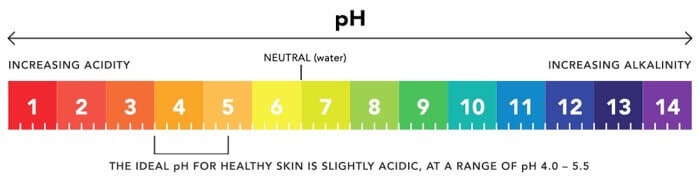
Glycolic acid and vitamin C are safe to use together; however, you get more benefits from using them separately. Glycolic acid has a neutral pH of 5. Vitamin C has a low pH of 3. If you combine them, the pH gets altered, which lowers their effectiveness.
There's much more to the benefits of vitamin C and glycolic acid – what each does to your skin and how they are when combined. It's important to learn about the benefit of each so that you can get the most out of each.
Read on to learn more about "Can you use glycolic acid and vitamin C together?"
Also, for an excellent product with vitamin C and glycolic acid, take a look at our top pick, the No B.S. Vitamin C Serum and Retinol Cream Duo:
Click here to see it on Amazon.
Can You Use Glycolic Acid and Vitamin C Together?
The reason it's best to keep the two ingredients: vitamin c and glycolic acid separate, is due to their different pH levels.
What is pH?
pH is the degree of acidity of something. The range of acidity goes from 0 to 14. Basically, it tells how acidic or basic an item is. You may have noticed a growth in popularity of Korean skincare products that balance pH, including soaps, creams, and toners that are at the ideal pH of 5.
There is a purpose behind this growth in popularity of these types of products. The lower the level of pH, the more soothing and gentle it will be for your skin. This gentle, balanced pH cleanser cleans the skin without removing its important oils.
So why is it important to know about pH? It is essential if you are going to mixing with other products, including ones with vitamin C.
Mixing vs Separating Glycolic Acid and Vitamin C
Moisturizers, creams, and toners containing vitamin C have a low pH, about 3, on the pH scale. This low level of pH is beneficial for certain reasons. But if you are mixing vitamin C with glycolic or salicylic acid, this will alter the pH levels and reduce the benefits of both ingredients.
So you can use both at the same time; however, to get the maximum benefits of vitamin C, keep them separate. Use vitamin C on its own to get its low pH benefits as fast as possible. And use acidic ingredients like glycolic or salicylic acid by itself to maximize the benefits of its neutral pH 5 level.
That being said, you can certainly find products that have both vitamin C and glycolic acid together. These products will include on the label: vitamin c with glycolic acid, or glycolic toner and vitamin c, glycolic acid and ascorbic acid, or similar combinations.
It is safe to use when combined, so don't worry about getting harmed by it. From a scientific perspective, vitamin C (l-ascorbic acid) can be mixed with hydroxy acids, such as glycolic acid, and both will deliver some benefits.
For example, InstaNaturals Glycolic Acid and Vitamin C Serum combine both ingredients.
Click here to see it on Amazon.
However, despite the fact that products combining the two ingredients exist, I personally use each separately. I recommend you also keep your vitamin C and hydroxy acids by themselves in their own treatment.
It is best to use vitamin C antioxidant products in the morning and glycolic acid (or other hydroxy acids) in the evening because hydroxy acids have a photosensitizing potential. What this means is that they make the skin more sensitive to the sun's harmful rays. So keep the acids to the evening.
Recommendations from Three Dermatologists
I'm here to make sense of this confusion. I asked three dermatologists about combining ingredients like vitamin C and glycolic acid (and similar hydroxy acids) and probed for their tips and recommendations.
Of the three specialists I asked, every one of them stressed the importance of using sunscreen, vitamin C, and retinol for a fundamental healthy skin schedule. (Keep in mind: Before starting a new treatment, you can and ought to counsel a dermatologist to learn what is best for your specific skin.)
"Alpha hydroxy acids (like glycolic acid), beta hydroxy acids (like salicylic acid), retinol, and vitamin C are perhaps the top ingredients promoted by dermatologists for treating many skin issues." Dr. Y. Claire Chang of Union Square Laser Dermatology said.
"Vitamin C and hydroxy acid could certainly be used together, as they both work in acidic environments," Dr. Chang stated, including that "both are made in acidic solutions, and so the combination could be mildly irritating for the skin."
Dr. Chang also advised applying both separately, suggesting that you would get more benefit with them separately than together due to their varying pH levels that can alter or dilute the pH of each.
Dr. Melda Isaac at MI Skin Dermatology Center in Washington, D.C, noted that a vitamin C and glycolic acid mixture could be most beneficial for those more oily skin.
Similarly, as she recommends vitamin C and benzoyl peroxide, she also recommends pausing for a couple of minutes in between applying vitamin C and glycolic acid.
Dr. Samer Jaber at Washington Square Dermatology said: "What I recommend to all my patients is to apply vitamin C in the morning followed by a sunscreen…and apply hydroxy acids and/or a retinol cream in the evening."
In case you're uncertain if this combo will be beneficial for your skin, go ask a skincare specialist.
Benefits of Vitamin C
Vitamin C is a god of the skin care world. Dermatologists and skin care specialists promote its benefits for anti-aging and much more. It is a powerful antioxidant that should definitely be a part of your everyday skin care regimen, regardless of the type of skin you have or skin issues you may have.
Vitamin C for Anti-aging and Brighter Skin
There are numerous forms of vitamin C, and a large number of them are very beneficial for your skin. They all have strong antioxidant benefits that slow down the aging of your skin, as well as prevent signs of aging in the first place.
When you build vitamin C treatments into your everyday skin care regimen, you'll experience a number of benefits. Vitamin C helps smooth out your skin tone, protects it from the free radicals in the environment, greatly increases hydration, and keeps it looking more youthful as you age.
Ascorbic Acid Is the Most Common Form of Vitamin C
Ascorbic acid — otherwise called L-ascorbic acid — has been a part of the most skin-related research of any other form of vitamin C. Therefore, it is the form of vitamin C that is added to products and formulations the most.
If you use products containing ascorbic acid, you'll have more youthful-looking, toned skin while blemishes and scarring appear to vanish over time.
Ascorbic acid likewise enables the skin's surface to safeguard itself from environmental stressors such as pollution, dust, and more. This diminishes the impact of your skin from coming into contact with these harmful elements.
Ascorbic acid is even more powerful when blended with different antioxidants or essential oils such as tea tree oil. That approach is used by many companies to maximize the effectiveness of the ascorbic acid on your skin.
See the below video to learn more about the benefits of vitamin C on your skin:
The Higher the Concentration of Vitamin C, the Better
Where possible, aim to use products that have high concentrations of vitamin C, like several of our favorite serums in our recommended serums post.
And if possible, use this on many parts of your body as, from my experience, the higher the concentration, the better. It invigorates the skin, makes it firmer, helps clear all the little defects or imperfections.
You don't need a high concentration to reap the benefits, however. Research has demonstrated that vitamin C amounts as low as 0.6% are enough to give your skin beneficial antioxidants it needs to improve signs of aging.
There are lower amounts in many creams, lotions, and toners that work well with many other ingredients such as niacinamide and retinol.
So include vitamin C in your diet AND topically on your skin to get the full benefits of it. It will serve you well in and out for life.
I recently wrote a post: Can Birth Control Cause Itchy Skin? where I discussed nutrient deficiencies as the result of itchy skin while on birth control when I was younger.
I have heard stories from many others who found relief from itching after taking a multivitamin. It ensured that the body gets enough vitamin C and other nutrients. There have also been vitamin C studies that link a lack of vitamin C, among other nutrients, to itching and other skin issues.
To learn more about the benefit of vitamin C in your diet, check out our post: What Vitamins Will Help with Dry Skin?
Recommended Vitamin C Serum
If your skin is irritated and inflamed, or you want to slow down signs of aging, such as wrinkles and fine lines, you should try the No B.S. Vitamin C Serum and Retinol Cream Duo.
Click here to see it on Amazon.
It has vitamin C, vitamin E, and also hyaluronic acid, making it great for dry skin.
Vitamin C and vitamin E are great ingredients for anti-aging as they lighten the appearance of dark spots, eye bags, and overall puffiness of the face. It has a high concentration of vitamin C at 20%, so it is of good value compared to other vitamin C creams.
Benefits of Glycolic Acid
Alpha Hydroxy Acids (known as AHAs, including glycolic, lactic, and citrus, among a couple) have grown in popularity recently. The most popular of them all is glycolic acid.
Glycolic acid is a natural substance that offers numerous advantages to the skin, from reviving its youthfulness and keeping it well-hydrated. In its primary state, glycolic acid is a powder comprised of transparent, odorless crystals.
You'll discover Glycolic Acid in numerous chemical peel products because it is a highly effective exfoliation treatment. The glycolic acid is also gentle for overly-sensitive skin.
Glycolic acid can be a part of your everyday skincare treatment without irritating it. This is especially prevalent with glycolic acid for facial cleansers, soaps, and toners, giving your rejuvenating benefits over time of consistent use.
Glycolic acid comes from plants, including sugar cane, sugar beets, and pineapple. It is a great alternative to the many chemical-laden products on the shelf. You won't risk exposing yourself to a chemical that can irritate your skin.
Glycolic Acid is amazing for exfoliation, expelling the layer of dead skin cells from the top of your skin and leaving a more fresh, youthful appearance.
Glycolic acid products are great for healing acne scars, uneven skin tone, and signs of maturing, including wrinkles and fine lines. In the event that you experience the ill effects of dull, pigmented, or maturing skin, I recommend using a skin peel about once a week that contains glycolic acid.
Studies demonstrate that glycolic acid products help with stimulating the growth of collagen, which helps to plump up the skin. (source) Collagen is a fundamental basic protein, helping the skin tissue stay firm and oppose wrinkling.
Even at low concentrations, glycolic acid is an important ingredient to keep in mind when shopping for anti-aging lotions, peels, moisturizers, face masks, and more.
It is a key treatment for many skin problems that appear on the face, such as acne, psoriasis, eczema, and much more. I recommend you include glycolic acid in your skincare routine to start seeing the benefits it can bring.
See the below video to learn more about glycolic acid and its benefits:
Recommended Glycolic Acid Serum
If you have uneven skin texture, that's because you're not exfoliating properly, or maybe not at all.
Click here to see it on Amazon.
To smooth out the even texture and get rid of dead skin and rough patches, you can use an exfoliating serum such as TLC Framboos Glycolic Night Serum by Drunk Elephant.
The price is on the higher side for this serum, but you get what you pay for, and a little goes a long way. You can spot-treat with a small dot-sized amount on any rough parts of your face or areas with blemishes and other issues.
The key with the Drunk Elephant Glycolic Serum is to be patient. It does take time, as I have experienced with my own personal tests. In about a month of consistent daily use each night, you will see how effective it is at removing acne scars, uneven skin, wrinkles, and fine lines.
It is a powerful serum with 12% AHA/BHA, so start slow, maybe every other day, and increase to every day only if your skin can tolerate it. Also, ensure to wear sunscreen the next day.
See the below video for skincare ingredients, other than vitamin C and glycolic acid, that you should and should not mix:
Conclusion – Can You Use Glycolic Acid and Vitamin C Together?
So, can you use glycolic acid and vitamin C together?
Glycolic acid and vitamin C are safe to use together, but you will get more benefit from using them on their own. The reason is that their ph value gets altered when they are combined, and this reduces the benefit of each.
Use vitamin C on its own to get the full benefits of its low pH. And use acidic ingredients like glycolic or salicylic acid by itself to the full benefits of its neutral pH 5 level.
Related Questions
Can you use vitamin C and niacinamide together? It's certainly acceptable to use vitamin C and niacinamide together. Niacin flush is a possible side effect of taking high doses.
To avoid this side effect, you can rotate every other day your treatment of niacinamide and vitamin C instead of taking them together each time.
Can you use vitamin C with AHA? For minimal potential risk of skin inflammation, it is recommended to alternate the use of AHA (alpha hydroxy acid) and vitamin C at different times or on different days.
For example, apply vitamin C in the first part of the day and AHA at the end of the day. AHAs make the skin more sensitive to the sun so have it in the evening.
Is Glycolic Acid an AHA or BHA? Glycolic acid is an AHA (alpha hydroxy acid). AHA is a water-soluble acid that removes dead skin cells from the skin. BHA (beta hydroxy acid) is an oil-soluble acid that goes deep into the pores and normalizes the lining; therefore, preventing acne.
Nearly 2 million American adults each year are diagnosed with cancer. If you receive a diagnosis, your schedule can quickly start to fill up with doctor's appointments, medical procedures and pharmacy visits. Creating a checklist of things to do can help keep you busy and feeling more in control. But acknowledging the effects a cancer diagnosis can have on your emotions — and healthily managing those emotions — is almost as important.
Doctors and psychologists now recognize that healing improves after a diagnosis when both our physical and emotional needs are met, says Niki Barr, Ph.D., a psychotherapist at the Center for Cancer and Blood Disorders in Texas, who consults with medical doctors, extended families and caregivers about emotionally coping with a cancer diagnosis.
Learning you have cancer is a stressful experience, and it's important to acknowledge and cope with that stress. Fully understanding how your emotional needs can change after you receive a cancer diagnosis can go a long way in helping you and your family heal. The tips here can help you support your mental health as you navigate your diagnosis and treatment.
Photo Courtesy: burakkarademir/E+/Getty Images
Upon hearing your diagnosis, you might experience grief, fear or even a feeling of denial until some time has passed. "These are all normal and emotionally healthy responses, but it's all too easy to spiral out of control with fear in the beginning," says Barr. Fortunately, these tips can help you manage the anxiety and fear that come along with learning about a cancer diagnosis.
Lessen the Impact of Anxious Thoughts
Start by writing your thoughts down on note cards or in a journal. Identify the first one that's leading you to feel uneasy. For example, you might write down something like "I'm afraid of my hair falling out." Then, move onto the subsequent fear and write it down. That might be something like "People will treat me differently if they see I have cancer."
When you've identified most of your anxious thoughts, go back to the first one and write something new on the card that can help ease your stress. It should be a thought that's confident and empowering. For example, suppose you're worried about your hair falling out. In that case, a positive view could be: "I've been looking forward to getting a new hairstyle anyway." When you're feeling nervous, read the more positive strategies, says Barr.
Work On Your Internal Dialogue
It can also help to defuse all those "What if?" questions you might ask yourself, such as "What if my cancer has spread?" or "What if the treatment doesn't work?" One scary question tends to lead to another and often turns into full-fledged anxiety. Try to focus on those things you have the power to improve on your own. The next time you start asking yourself the what-ifs, substitute the upsetting ideas with this one: "Is this thought helping me or hurting me?" You can also ask, "Is this thought moving me forward or backward?" Your answers might surprise you, and they can help you move away from the thoughts that are holding you back.
Get Grounded
Interrupting periods of anxiety by focusing on small details around you can help you shift your perspective away from negativity and towards the present moment. "Look at the beautiful color of the walls in the room you're in; look at the person you're talking to, the clothes [they're] wearing," Barr suggests. Becoming very present and focused on physical details nearby helps soothe sudden anxious thoughts. Turn your focus towards absorbing the colors, smells, people and each new sound around you. Build those sensations up very clearly in your mind. You can use this technique as a distraction tool the next time you're waiting for a medical procedure or want a diversion from your thoughts.
Meditate to Music
Research shows that 15 to 30 minutes of both guided imagery and soothing tunes can alleviate deep feelings of stress about a cancer diagnosis. The Cancer Treatment Centers of America (CTCA) reviewed 30 clinical cancer trials that analyzed more than 1,890 cancer patients. They found that music therapy can have a beneficial effect on anxiety, pain, mood, quality of life, heart rate, respiratory rate and blood pressure.
The CTCA also offers many classes and therapies to help people relax, reduce stress and improve their quality of life as part of an extensive mind-body medicine program. Many centers provide calming background music during healing therapies.
What Are Your Next Steps?
Photo Courtesy: Peathegee Inc/Getty Images
You have a cancer diagnosis: Now what? Learning how to clear your mind and focus on positive thoughts is a helpful step in the right direction. Here are other soul-soothing strategies you can try.
Start Journaling and Reflecting
Research published in the Journal of Clinical Oncology has shown that expressing your innermost feelings can reduce stress and have a range of other emotional and social benefits. Researchers aren't sure why putting thoughts down on paper is effective. Still, it allows you to process complex emotions and help you chart a way forward, whether you've been diagnosed with cancer or are taking care of someone who has.
Exercise When Possible
Exercising for 2.5 hours per week can help you beat symptoms of depression and fatigue. Among the nation's millions of cancer survivors, there are hints — but not proof yet — that active exercisers may lower their risk of their cancer coming back.
The American College of Sports Medicine hosted a medical panel of cancer specialists to evaluate this exercise evidence. It issued guidelines suggesting that cancer patients and survivors should exercise for about 30 minutes most days of the week. This exercise should be enjoyable to you but also build up a sweat. When patients and their family caregivers exercised together, research found, everyone was more likely to stick with the fitness regimen, boost their physical stamina and experience less emotional strain.
Strengthen Your Social Support System
Connecting with others who've been through this kind of emotional diagnosis already can be a source of comfort and support. Learn more about online communities and your local chapters and support groups that meet up. The American Cancer Society also suggests attending one-on-one professional therapy or its "I Can Cope" online support groups to learn more.
Resource Links:
Find Local Cancer Support Programs | Cancer Support Groups
Strategies Used in Coping With a Cancer Diagnosis Predict Meaning in Life for Survivors
Coping Well with Advanced Cancer: A Serial Qualitative Interview Study with Patients and Family Carers
Coping with cancer
Coping Attitudes of Cancer Patients and Their Caregivers and Quality of Life of Caregivers